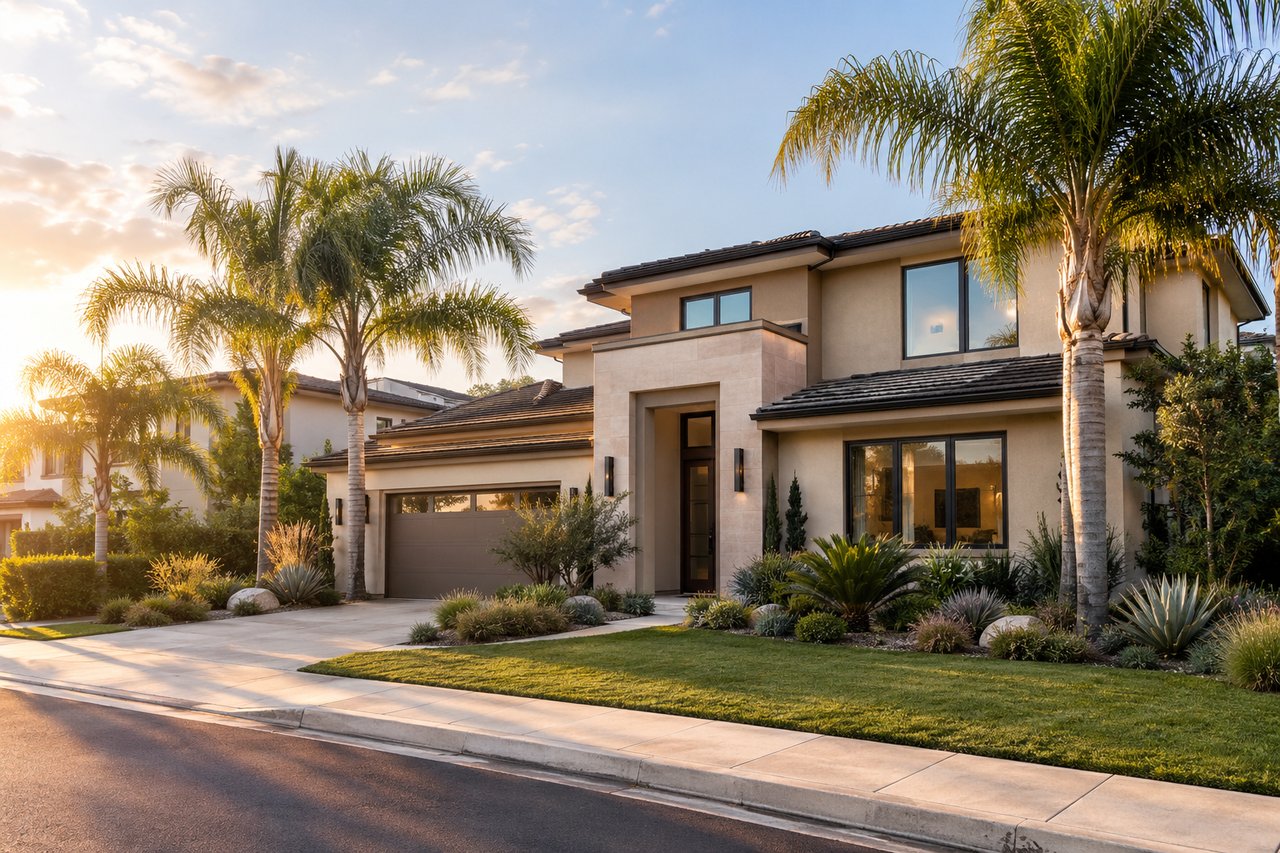
Moving to Irvine, CA with a Family: What You Need to Know Before Making the Move
A local’s guide to top-rated schools, neighborhood villages, Mello-Roos taxes, and what life is really like in Orange County’s premier master-planned city.
Quick Highlights for Relocating Families
- Education First: Irvine Unified School District (IUSD) consistently ranks among California’s finest, with schools integrated directly into residential villages.
- Master-Planned Layout: Neighborhoods function as "villages," complete with dedicated parks, community pools, and neighborhood shopping centers.
- Financial Factors: Budget beyond the purchase price for HOA dues and special Mello-Roos tax assessments common in newer developments.
- Safety & Stability: Consistently ranked among the safest mid-to-large cities in America, making it a favorite for raising children.
When families begin researching a relocation to Southern California, Irvine almost always surfaces near the top of the list. It isn't an accident. Designed from the ground up by the Irvine Company starting in the 1960s, Irvine stands as one of the nation's most successful experiments in master-planned urban design.
For parents, the attraction is obvious: exceptionally safe streets, public schools that perform on par with elite private academies, pristine parks within walking distance of almost every front door, and a thriving employment hub right in central Orange County. However, moving here also involves adjusting to unique local details—from property tax structures like Mello-Roos to strict Homeowners Association (HOA) guidelines.
If you're evaluating a move to Irvine, here is a grounded look at how the city is organized, what day-to-day life feels like, and how to pick the right village for your family.
Understanding Irvine’s Village Layout
Unlike traditional cities that grew outward organically around a single downtown square, Irvine is divided into distinct residential areas known as villages. Each village has its own architectural motif, central parks, neighborhood pools, and convenient retail hubs anchored by grocery stores, coffee shops, and local services.
This layout means daily routines are exceptionally convenient. Children can often walk or bike to school along dedicated off-street greenbelts without crossing major multi-lane thoroughfares.
Woodbridge
Established in the 1970s and 1980s, Woodbridge remains a classic family favorite. Built around two major artificial lakes (North Lake and South Lake), residents enjoy beach lagoons, docks, dozens of pools, and mature tree-lined streets.
Northwood
Known for larger lot sizes and custom character compared to newer tracts, Northwood offers non-HOA pockets—a rare feature in Irvine. It is anchored by top-rated Northwood High School and extensive greenbelts.
Woodbury & Stonegate
For families who prefer newer construction (2000s–2010s), these villages feature modern open-concept floor plans, resort-style community centers, and immediate access to the Jeffrey Open Space Trail.
Great Park Neighborhoods
One of Irvine’s newest developments surrounding the expansive Orange County Great Park. Offers modern architectural styles, innovative K-8 campus layouts, extensive sports complex access, and brand-new community spaces.
The Education Advantage: Irvine Unified School District (IUSD)
For a significant majority of relocating buyers, public education is the primary deciding factor. The Irvine Unified School District (IUSD) serves most of the city, educating over 36,000 students across more than 40 schools.
Rather than relying on isolated magnet programs, IUSD delivers high educational standards across all campuses. High schools like University, Northwood, Woodbridge, Irvine High, and Portola consistently land near the top of statewide academic rankings, boasting high graduation rates and strong college placement tracks.
"A key feature of Irvine’s urban design is that elementary and middle schools are tucked right inside residential neighborhoods, giving children safe walking pathways away from main arterial roads."
Financial Realities: Home Prices, HOAs, and Mello-Roos
Quality infrastructure and manicured public spaces come with a distinct cost profile. Understanding how property expenses work in Irvine is essential before setting your housing budget.
Property Value Ranges
Single-family detached homes across Irvine typically range from $1.5 million to over $2.5 million depending on square footage, lot size, and village age. Condominiums and attached townhomes generally start around $900,000 to $1.3 million, offering an accessible entry point into top school attendance boundaries.
HOA Dues and Mello-Roos Assessments
Nearly all residential properties in Irvine belong to at least one HOA, with monthly fees typically ranging from $100 to over $400 depending on amenities like pools, clubhouses, and security gates.
In addition, newer villages often carry Mello-Roos—a specialized bond tax used to fund community infrastructure such as local schools, fire stations, and roads. While older villages (like Woodbridge or El Camino Real) may have expired bonds, newer communities (like Great Park Neighborhoods or Cypress Village) carry ongoing Mello-Roos taxes that can add 0.3% to 0.7% or more onto your effective annual property tax rate. Factoring this into your monthly financing calculations is vital.
Everyday Family Life in Irvine
Beyond academic performance and clean streets, Irvine offers access to coastal California amenities without coastal price premiums:
- Proximity to Beaches: Laguna Beach, Newport Beach, and Huntington Beach are all within a 15-to-25-minute drive.
- Parks & Outdoor Trails: The 16-mile Jeffrey Open Space Trail weaves through the city, offering paved pathways for running, biking, and walking completely separated from vehicle traffic.
- Culinary & Cultural Diversity: Irvine features incredible Asian culinary options, from expansive international markets like 99 Ranch and H Mart to regional dining spots at Diamond Jamboree.
- Convenient Travel: John Wayne Airport (SNA) sits directly on Irvine's western border, making quick business trips or family getaways simple and hassle-free.
Frequently Asked Relocation Questions
Is Irvine a good city for out-of-state relocating families?
Yes. Irvine's master-planned layout makes it very straightforward to navigate for newcomers. Neighborhood schools, community swim clubs, and youth sports leagues make connecting with other local families natural and effortless.
How far is Irvine from major employment hubs?
Irvine itself is one of Southern California's premier economic hubs, housing major regional headquarters in tech, finance, medical devices, and gaming (located primarily around the Irvine Spectrum and Irvine Business Complex). Commutes to Los Angeles or San Diego typically range from 45 to 90 minutes depending on rush hour traffic.
Should we rent first or buy immediately when moving to Irvine?
Because each village offers a distinct vibe, age of housing stock, and tax structure, many families choose to tour multiple neighborhoods in person with a local team before making an offer. Working with local advisors helps clarify nuances like school boundaries and Mello-Roos rates early in your search.