Relocating to Irvine, California: A Homeowner’s Guide to Master-Planned Living
Everything out-of-state and out-of-area buyers need to know about Irvine's village structure, award-winning schools, property tax considerations, and local neighborhood choices.

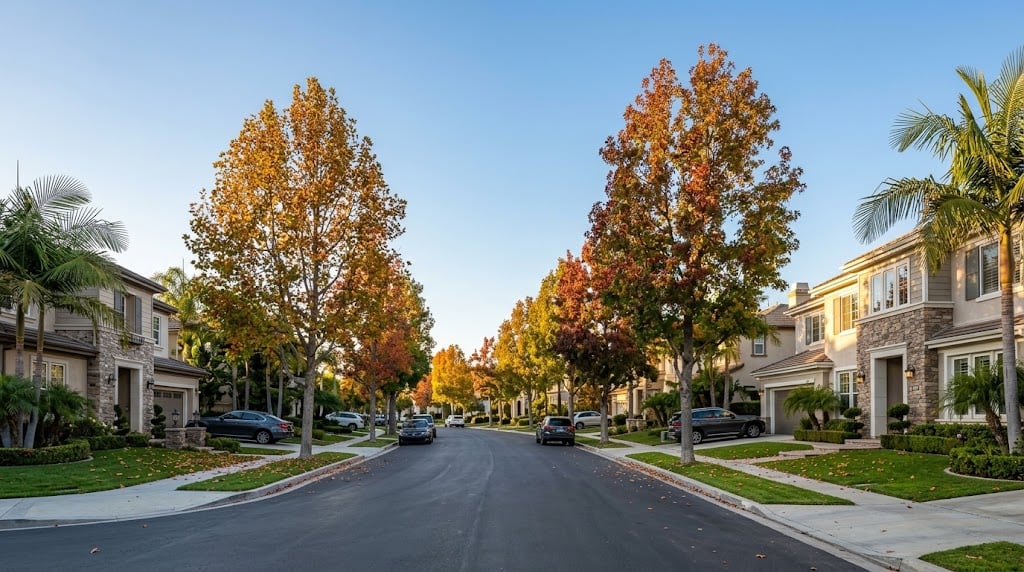
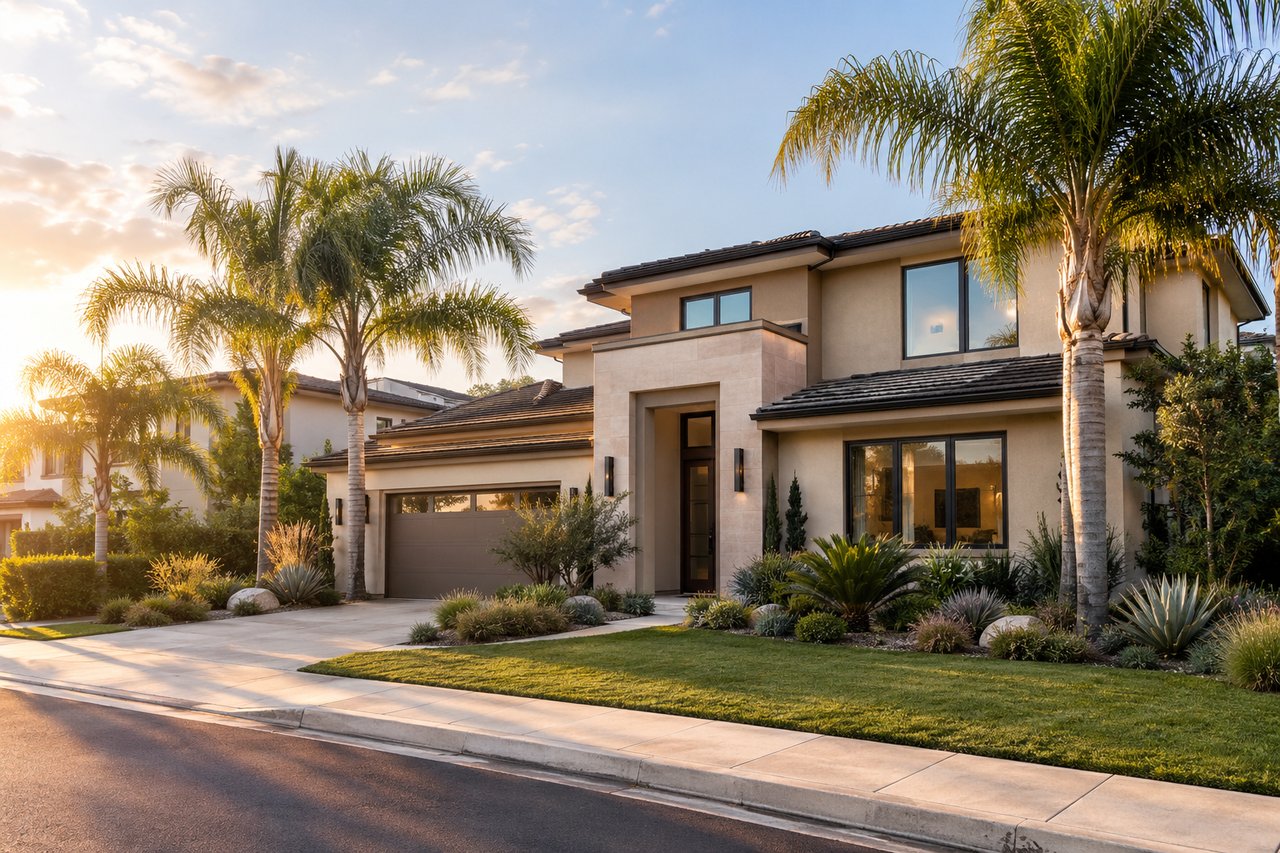
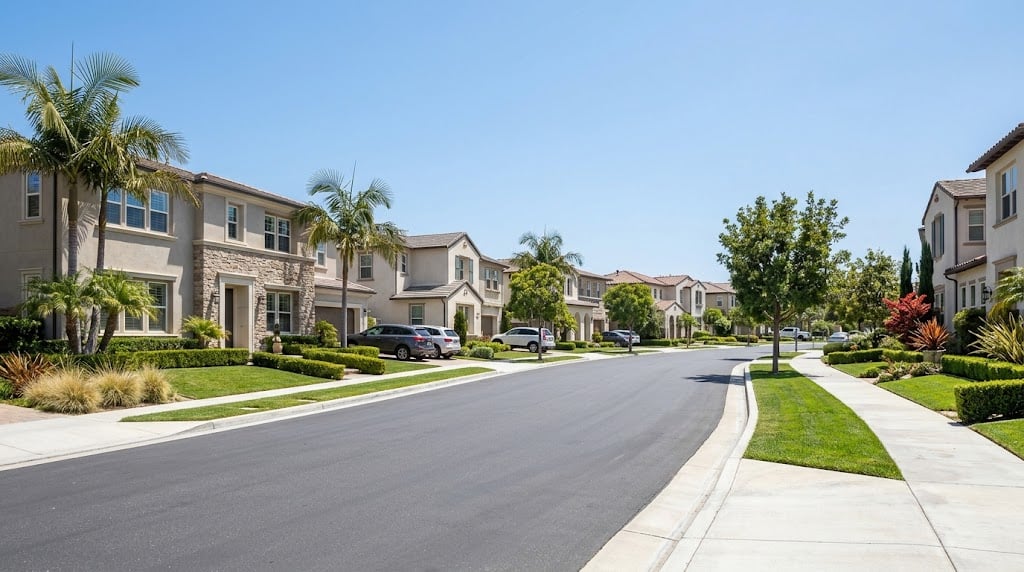
Irvine's master-planned layout connects tree-lined residential villages directly with neighborhood parks, trails, and retail centers.
Relocation Summary: Why Families Choose Irvine
- The Master-Plan Concept: Built ground-up around self-contained "villages," each anchored by its own parks, commercial hubs, and top-tier public schools.
- Academic Excellence: Served predominantly by the Irvine Unified School District (IUSD), consistently ranked among California's highest-performing public school systems.
- Consistently Recognized Safety: Ranked as the nation's safest city of its size for over 17 consecutive years based on FBI violent crime statistics.
- Housing Market Snapshot: Median home values sit near $1.6M, with attached townhomes beginning near $900K and detached luxury homes in newer villages ranging from $2.2M to $5M+.
If you are considering relocating to Southern California, Irvine is likely near the top of your list. Located directly in the center of Orange County, Irvine offers a uniquely structured living experience that sets it apart from traditional coastal cities.
Originally master-planned by the Irvine Company in the 1960s and 1970s, the city was developed around a clear vision: residential "villages" connected by expansive greenbelts, localized retail centers, and pristine public infrastructure. Rather than an organic urban layout, Irvine operates as a clean, highly regulated, and cohesive municipality.
For relocating homeowners, adapting to Irvine’s real estate landscape requires understanding HOA structures, Mello-Roos special assessments, village nuances, and competitive local buying dynamics.
Irvine Housing Market Snapshot
Before touring properties, establishing realistic baseline figures for housing costs, tax obligations, and ongoing fees ensures a seamless financial transition.
Navigating Irvine’s Top Master-Planned Villages
Irvine is comprised of over two dozen distinct villages. Finding the right fit depends on your preference for mature tree-lined charm versus modern construction and community amenities.
Woodbridge (Established Classic)
Vibe: Multi-generational, centered around two landmark lakes with wooden bridges, walking paths, and beach clubs.
Housing: Built primarily in the 1970s and 1980s. Offers a blend of townhomes and single-family residences with mature trees and traditional architecture.
Great Park Neighborhoods (Modern Build)
Vibe: High-energy, contemporary design anchored by the sprawling Orange County Great Park sports and recreation complex.
Housing: Features new construction (2014–present) with modern indoor-outdoor floor plans, smart home integration, and resort-style community pools.
Northwood & Northwood Pointe (No Mello-Roos Options)
Vibe: Peaceful, suburban streets lined with eucalyptus trees and direct access to top-rated elementary and high schools.
Housing: Established homes built in the 1980s and 1990s. Highly sought-after by relocating buyers because older sectors do not carry Mello-Roos taxes.
Orchard Hills & Turtle Rock (Luxury Foothills)
Vibe: Guard-gated luxury, scenic foothill backdrop, working avocado groves, and sweeping city-light views.
Housing: Premium luxury detached estates starting from $2.5M to well over $6M, offering privacy, custom finishes, and elevated terrain.
Understanding Property Taxes, Mello-Roos, and HOAs
One of the biggest surprises for out-of-state buyers relocating to Irvine is how property tax bills are structured:
1. Base California Property Tax (Prop 13)
In California, base property tax is set at 1.0% of the assessed purchase value at closing, plus small local voter-approved bonds (typically totaling ~1.05% to 1.1% citywide).
2. Mello-Roos Special Taxes
Newer Irvine communities (such as Great Park, Portola Springs, or Orchard Hills) utilize Community Facilities Districts (CFDs), commonly called Mello-Roos. This annual special tax funds infrastructure like new schools, roads, parks, and fire stations.
- Older Villages (e.g., Woodbridge, Northwood): Typically 0% Mello-Roos (effective tax rate ~1.05%–1.15%).
- Newer Villages (e.g., Great Park, Pavilion Park): Mello-Roos adds 0.3% to 0.7%+ per year, bringing effective tax rates to 1.4%–1.8%.
3. Homeowners Associations (CC&Rs)
Nearly every neighborhood in Irvine has an active HOA with strict Covenants, Conditions, and Restrictions (CC&Rs). These govern exterior paint colors, landscaping standards, street parking, and short-term rental bans—preserving long-term property values and neighborhood aesthetics.
Key Steps for a Smooth Relocation to Irvine
- Map Your Daily Commute: Irvine sits at the confluence of the I-5, I-405, CA-133, and SR-73 toll roads. Choosing a village near your primary driving corridor can save significant commute time during peak hours.
- Confirm School Attendance Boundaries: While most of Irvine is served by IUSD, small portions of northern Irvine attend Tustin Unified School District (TUSD). Verify school boundaries directly before submitting offers.
- Factor Effective Tax Rates into Your Budget: Compare total monthly payments including Mello-Roos and HOA dues when weighing an older home against a brand-new build.
Frequently Asked Questions About Moving to Irvine
Is Irvine a good place for families relocating to Orange County?
Yes. Irvine is consistently ranked among the top cities in the U.S. for safety, public education quality, park access, and family infrastructure, making it a primary destination for relocating buyers.
How far is Irvine from coastal beaches?
Depending on which village you live in, coastal beaches like Newport Beach, Laguna Beach, and Huntington Beach are a short 15- to 25-minute drive via local toll roads or arterial streets.
Can you buy a home in Irvine without Mello-Roos taxes?
Yes. Established villages constructed prior to the late 1990s—such as Woodbridge, Northwood, Deerfield, and Westpark—generally do not have Mello-Roos special assessments.